
Imagine stepping into a world where you’re not just a spectator but the star of your own story. VR interactive stories take storytelling to a whole new level, blending immersive technology with the art of narrative. Gone are the days of flipping pages or binge-watching from the couch; now, you can leap into fantastical realms and make choices that shape your adventure.
With a headset on and a controller in hand, users can explore vibrant landscapes, meet quirky characters, and even save the universe—no cape required. These experiences aren’t just about escapism; they’re a thrilling blend of creativity and technology that keeps the audience engaged and craving more. So buckle up and get ready to dive into a narrative experience that’ll have you laughing, gasping, and maybe even questioning your life choices. Who knew storytelling could be this much fun?
Overview of VR Interactive Stories
VR interactive stories immerse users in dynamic narratives where they actively shape outcomes. Through advanced headsets and controllers, participants navigate rich environments crafted with detail. Users engage with diverse characters, adding layers to their experience and influencing story arcs.
These stories promote emotional connections, allowing players to feel empathy and understanding for characters. Developers design scenarios that encourage exploration, granting freedom to uncover hidden elements and make crucial choices. Interactivity plays a key role, as decisions lead to unique endings and personalized journeys.
Gameplay mechanics often incorporate elements from gaming, providing challenges and puzzles to solve. Players must think critically to progress, fostering a sense of accomplishment. Existing technologies enhance realism, with spatial audio and visual effects bringing stories to life.
While traditional storytelling relies on passive consumption, VR interactive narratives demand active involvement. The integration of user feedback leads to continuous improvement in design and plot development. As the technology evolves, storytellers discover even more innovative ways to engage audiences.
Social interaction adds another dimension, as players can collaborate or compete with others in this immersive space. Multiplayer experiences forge bonds between users, making storytelling a shared adventure. With each session, participants gain deeper insights into the narrative, enriching their overall experience.
VR interactive stories redefine entertainment by blending creativity and technology. This unique approach captivates audiences and paves the way for future storytelling possibilities.
Key Features of VR Interactive Stories
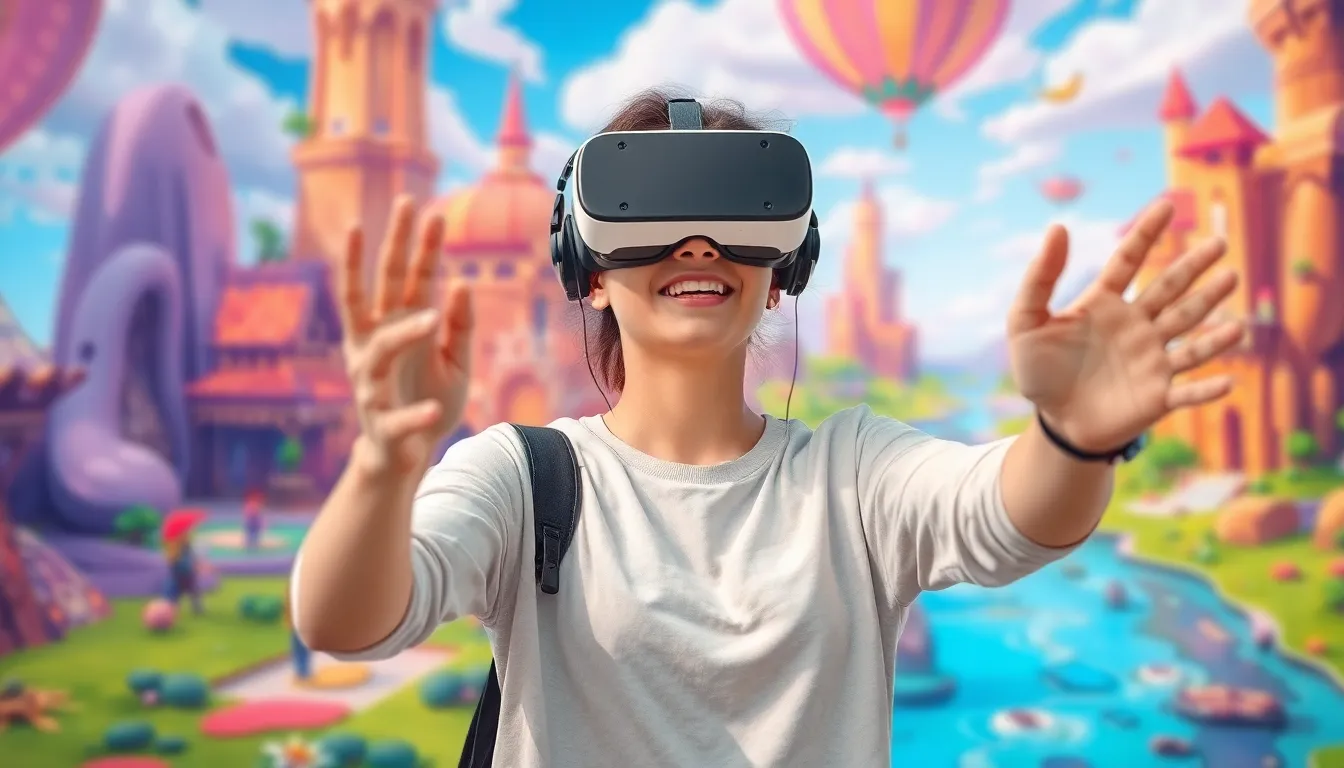
VR interactive stories offer unique features that elevate storytelling to new heights. These narratives immerse users in rich environments, allowing them to experience stories like never before.
Immersive Experiences
Immersive experiences transport users into meticulously crafted worlds. In these spaces, vibrant visuals blend with spatial audio, creating a genuine sense of presence. Users can explore diverse settings, from fantastical realms to realistic landscapes. Unique character interactions deepen emotional connections. Real-time feedback enhances engagement, as narratives adapt based on users’ choices. A strong emphasis on detail makes every moment memorable, encouraging continuous exploration.
User Engagement
User engagement takes center stage in VR interactive stories. Active participation replaces passive observation, promoting a sense of agency. Players shape outcomes through decisions, fostering personal investment in the narrative progression. Interactivity comes in various forms, such as solving puzzles or completing challenges, which heightens excitement. Social elements enable collaboration or competition among users, enhancing the experience further. This dynamic involvement cultivates a powerful emotional bond, leaving a lasting impression and driving users to return for more.
Popular VR Interactive Stories
Numerous VR interactive stories capture the attention of audiences, offering immersive experiences that engage users in unique ways. Below are some noteworthy titles worth exploring.
Titles to Explore
“Half-Life: Alyx” captivates players with its gripping narrative set in the iconic Half-Life universe. Users step into the shoes of Alyx Vance, navigating a richly detailed city while solving puzzles and combating enemies. “The Walking Dead: Saints & Sinners” stands out as a thrilling survival horror story where choices shape outcomes in a post-apocalyptic world. Additionally, “Lone Echo” immerses users in a sci-fi adventure aboard a space station, highlighting the bond between characters through interactive gameplay. Each title emphasizes unique strengths that enrich VR storytelling.
Unique Storytelling Techniques
Innovative techniques define storytelling in VR. Utilizing branching narratives allows players’ choices to create diverse outcomes, leading to various story arcs. Incorporating environmental storytelling enhances immersion, making every detail contribute to the narrative. Dynamic character interactions involve real-time responses, fostering emotional connections and deepening player engagement. Integrating gameplay elements like puzzles and challenges invites users to think critically while engaging with the story. Designed experiences often push players toward exploration, encouraging them to discover hidden layers within narratives. Each of these techniques strengthens the experience, enhancing the emotional impact and encouraging replayability.
The Technology Behind VR Interactive Stories
VR interactive stories leverage advanced technology to create immersive experiences. These narratives rely on specialized hardware and sophisticated software development to engage users.
Hardware Requirements
High-quality VR experiences depend on specific hardware specifications. VR headsets like Oculus Quest 2 and Valve Index provide immersive visuals and audio. Controllers enhance interactivity, allowing users to manipulate objects within virtual environments. Powerful gaming PCs or consoles maintain performance, delivering smooth graphics and reducing latency. Additionally, tracking systems enable precise motion capture, ensuring accurate user movements within the story’s world. Overall, the combination of these hardware elements significantly enriches the VR storytelling experience.
Software Development
Creating VR interactive stories demands expertise in software development. Developers use engines like Unity and Unreal Engine for their versatile capabilities in rendering 3D environments. Game mechanics integrate choices that shape narratives, increasing engagement and replayability. Developers also employ tools for environmental storytelling, allowing players to glean information through interactions with their surroundings. Sound design plays a crucial role, as spatial audio enhances immersion by providing directional cues. Collaboration among writers, designers, and programmers ensures a cohesive narrative experience that captivates users and deepens emotional connections.
Future of VR Interactive Stories
The future of VR interactive stories promises exciting advancements and challenges. Developers continuously innovate, pushing the boundaries of narrative and technology.
Trends and Innovations
Recent trends shape the landscape of VR interactive narratives. Expanded use of artificial intelligence personalizes experiences, adapting story elements based on user preferences. Enhanced graphics and sound design create immersive environments, captivating users like never before. Cross-platform integration enables users on various devices to share experiences, fostering community engagement. Notable innovations include haptic feedback technologies that amplify emotional responses, making every interaction feel more significant. Collaborative storytelling lets users influence stories together, promoting social interaction.
Potential Challenges
Despite the promising future, several challenges persist in the VR interactive story space. High costs for development and specialized hardware can limit accessibility for creators and users alike. Additionally, maintaining narrative coherence while allowing for user freedom poses a complex challenge for developers. Users may experience motion sickness, affecting immersion and enjoyment. Addressing privacy concerns is essential, as personalized data collection raises ethical questions. Balancing innovation with user comfort ensures a sustainable path forward in VR storytelling.
VR interactive stories represent a groundbreaking evolution in storytelling. By immersing users in rich environments and allowing them to actively participate in narratives, these experiences foster deeper emotional connections and personal investment. As technology continues to advance, the potential for even more engaging and personalized stories grows.
While challenges remain, such as accessibility and narrative coherence, the future holds exciting possibilities. Developers are poised to innovate further, integrating artificial intelligence and enhancing user experiences. The journey into VR storytelling is just beginning, and it promises to captivate audiences in ways previously unimagined.