
Imagine exploring the ancient ruins of Rome or diving into the depths of the ocean without leaving your couch. Sounds like magic, right? Welcome to the world of virtual reality tours, where adventure meets convenience. With a headset and a good Wi-Fi connection, anyone can unlock experiences that were once reserved for the brave or the well-traveled.
Virtual reality tours are revolutionizing the way people experience the world. Whether it’s a stroll through a vibrant city or a trek through breathtaking landscapes, these immersive experiences transport users anywhere they can dream of. It’s like having a personal tour guide who never gets tired of your endless questions—or your questionable dance moves. So grab your headset and get ready to step into a realm where the only limit is your imagination.
Overview Of Virtual Reality Tour
Virtual reality tours provide immersive experiences that transport users to various locations. Users can visit ancient Rome’s ruins or dive into ocean depths without leaving home. This technology combines stunning visuals with interactive elements, resembling a personal tour guide.
Experiences include sightseeing, educational explorations, and cultural exchanges. Educational institutions often utilize virtual reality to enhance learning by providing interactive historical or geographical insights. Tour operators offer virtual experiences that attract adventurous travelers seeking new ways to explore.
Industries benefit from virtual reality tours by increasing engagement and reaching wider audiences. Real estate agents showcase properties through virtual walkthroughs, making it easier for potential buyers to explore listings. Museums and galleries curate virtual tours that highlight exhibits and artifacts, bringing art and history to a global audience.
Accessibility emerges as a significant advantage of virtual reality tours. Individuals unable to travel due to health issues or financial constraints can now explore the world. Because of the applications in therapy, several therapists implement virtual tours to help patients confront fears in a controlled, comfortable environment.
The growing availability of affordable equipment makes these experiences more accessible. With the rise of smartphones and VR headsets, accessing virtual tours becomes more convenient. Virtual reality continues to evolve, leading to new possibilities and enhanced experiences for users across various sectors.
Benefits Of Virtual Reality Tours
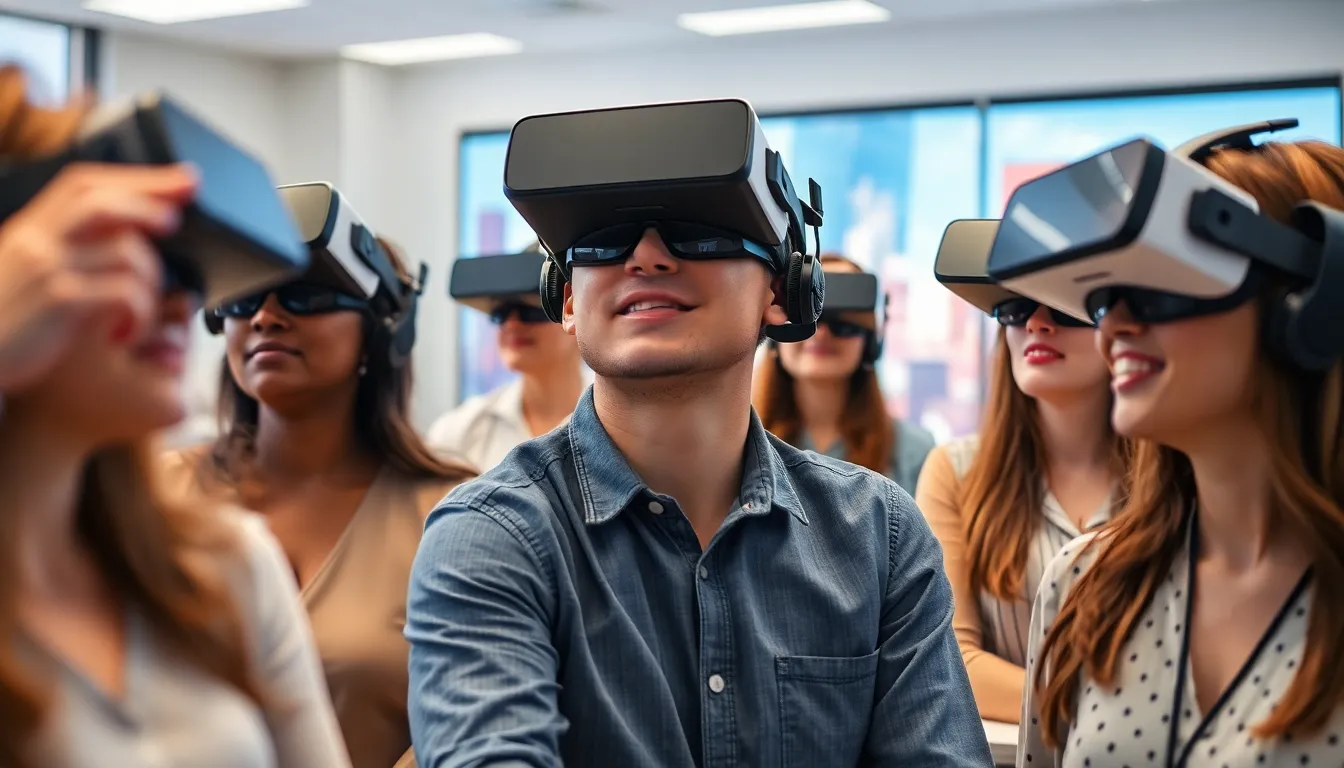
Virtual reality tours offer numerous advantages, enhancing user experience and accessibility in various fields.
Enhanced Engagement
Virtual reality tours significantly increase user engagement. Users become active participants in their journeys instead of passive observers. Tour providers can tailor experiences to meet specific interests, creating personalized adventures. Educators can use VR to capture students’ attention, making lessons more immersive. This technology fosters interaction by enabling users to explore environments and discover details firsthand. Organizations notice improved retention rates, with individuals absorbing information better through experiential learning. Travel agencies leverage this engagement to showcase destinations, enticing potential travelers through captivating virtual experiences.
Realistic Experiences
Realistic experiences set virtual reality tours apart from traditional methods. Users encounter vivid visual elements and authentic sounds that replicate real-world settings. This immersion fosters a sense of presence, making individuals feel as though they are actually somewhere else. Architects incorporate VR to present design concepts, allowing clients to walk through spaces before construction starts. Museums enhance visitor engagement by offering lifelike representations of artifacts or historical events. Users gain emotional connections to places and events, making these tours impactful. Overall, the realism of virtual reality tours transforms how individuals experience different environments.
Popular Applications Of Virtual Reality Tours
Virtual reality tours find significant applications across various sectors. Each application offers unique advantages, enhancing user experiences and engagement.
Travel and Tourism
Travel and tourism thrive with the integration of virtual reality tours. Tourists can explore iconic landmarks and hidden gems from their homes, making travel planning easier. Travel agencies use VR to showcase destinations, giving potential travelers a taste of what to expect. This technology highlights attractions, accommodations, and local experiences. Engaging videos allow users to visualize their journeys, leading to informed booking decisions. The immersive nature of virtual reality fosters excitement about future trips, effectively boosting interest in travel-related services.
Real Estate
Real estate properties benefit immensely from virtual reality tours. Agents can provide prospective buyers with immersive walkthroughs of homes and commercial spaces, saving time and resources. These tours enable potential clients to explore properties remotely, highlighting features effectively. Clients gain the ability to view multiple listings without physical visits, enhancing convenience. High-quality visuals showcase details, allowing for deeper evaluations of spaces. This technology elevates the marketing strategies of real estate professionals, leading to faster sales and satisfied clients.
Education and Training
Education and training professionals embrace virtual reality tours for enhanced learning experiences. Schools and institutions utilize this technology to create immersive educational environments, making lessons more engaging. Students interact with content in captivating ways, leading to higher retention rates. Training programs implement VR simulations, allowing participants to practice skills in controlled settings. Real-world scenarios help learners encounter practical challenges without the associated risks. By fostering active participation, virtual reality transforms traditional teaching methods, enhancing overall educational outcomes.
Technology Behind Virtual Reality Tours
Virtual reality tours rely on a combination of hardware and software to create immersive experiences. Understanding these components enhances the appreciation of virtual exploration.
Hardware Requirements
Adequate hardware serves as the foundation for virtual reality tours. High-quality VR headsets, like the Oculus Quest 2 or HTC Vive, deliver stunning visuals and immersive audio. Powerful computers or consoles often support these headsets. Graphics processing units (GPUs) with strong performance enable lifelike graphics. Additional accessories, such as motion controllers and haptic feedback devices, enhance interactivity. Mobile devices may also facilitate VR experiences through compatible apps, making technology more accessible to users. A stable internet connection is crucial for streaming content efficiently, ensuring smooth experiences without lag.
Software Platforms
Diverse software platforms support the development and delivery of virtual reality tours. Unity and Unreal Engine are popular tools for creating high-quality VR content. These platforms offer developers flexibility for designing engaging experiences. Custom VR applications often cater to specific audiences, such as education or real estate. Publishing options, like WebVR or native app stores, expand accessibility for users. Cloud-based solutions allow for easy updates and collaboration among teams. User-friendly content management systems streamline tour creation and management, providing a seamless experience for end-users.
Challenges Facing Virtual Reality Tours
Virtual reality tours face several challenges, impacting their widespread adoption and use. These obstacles hinder the technology’s potential benefits across various sectors.
Cost Considerations
Costs present a significant barrier for many users and organizations. High-quality VR headsets can range from $300 to over $1,000, making them less accessible for casual users. Additionally, organizations might incur expenses for software development, hardware maintenance, and ongoing support. Budget constraints often impede smaller businesses from integrating virtual reality into their offerings. Despite these challenges, successful businesses find ways to allocate resources effectively to invest in immersive experiences.
Accessibility Issues
Accessibility remains a concern in the realm of virtual reality tours. Individuals with disabilities may encounter barriers in using VR technologies, limiting their engagement. Customizable features and adaptive hardware can improve accessibility, yet not all platforms offer these options. Furthermore, some users may experience discomfort or motion sickness when using VR headsets, further hindering participation. As developers become more aware of these challenges, they focus on creating solutions that ensure broader access for diverse audiences.
Virtual reality tours are reshaping how individuals experience the world. By merging technology with exploration, they offer unique opportunities for learning and adventure. As accessibility improves and costs decrease, more people can engage with these immersive experiences.
The potential for virtual reality extends beyond leisure into education, therapy, and various industries. The ability to connect emotionally with different environments enhances understanding and retention. With ongoing advancements in hardware and software, the future of virtual reality tours promises even more innovative applications.
Embracing this technology opens doors to limitless exploration, making it easier than ever to discover the wonders of our world from anywhere.