
In a world where your toaster might just be smarter than your high school algebra teacher, smart devices have taken center stage in everyday life. These nifty gadgets are not just here to impress; they’re revolutionizing how people interact with their homes, work, and even each other. From voice-activated assistants that can order pizza to fridges that remind you when you’re out of milk, the future is knocking—and it’s got a pretty slick app.
But let’s be real: with great power comes great responsibility. As these devices become more common, understanding their potential and pitfalls is crucial. So, buckle up and get ready to explore the quirky yet fascinating realm of smart technology. It’s time to discover how these devices can simplify life, save time, and maybe even make you feel a little bit like a wizard.
Overview of Smart Devices
Smart devices integrate technology into daily life, enhancing convenience and efficiency. Examples include smart speakers, smart thermostats, and connected appliances. Each device typically connects to the internet, allowing users to control functionality remotely.
Voice-activated assistants exemplify the capabilities of smart devices, providing hands-free interaction. These assistants can control music, set reminders, and manage home security. Smart fridges monitor food inventory and suggest recipes based on available ingredients.
Security cameras, connected to smartphones, offer real-time monitoring and alerts for unusual activity. Smart lighting systems enable users to adjust brightness and color with voice commands or via mobile apps. Each of these devices promotes energy efficiency, contributing to reduced utility costs.
Market analysis shows the smart home sector continues to grow significantly. Statista predicts a revenue increase in smart home devices, reaching over $174 billion by 2025. This growth reflects the rising consumer demand for interconnected gadgetry.
Adoption of smart devices also introduces unique responsibilities. Users must ensure their home networks remain secure to protect personal data. Regular software updates and strong passwords are essential measures to mitigate potential threats. Smart devices present both opportunities for enhancing lifestyles and challenges in cybersecurity.
Investing in smart technology offers diverse benefits, combining convenience with efficiency. Today’s smart devices reshape how people interact with their environment, making life simpler and more manageable. Emerging trends suggest ongoing innovation in this field, promising even more functionalities in the future.
Types of Smart Devices
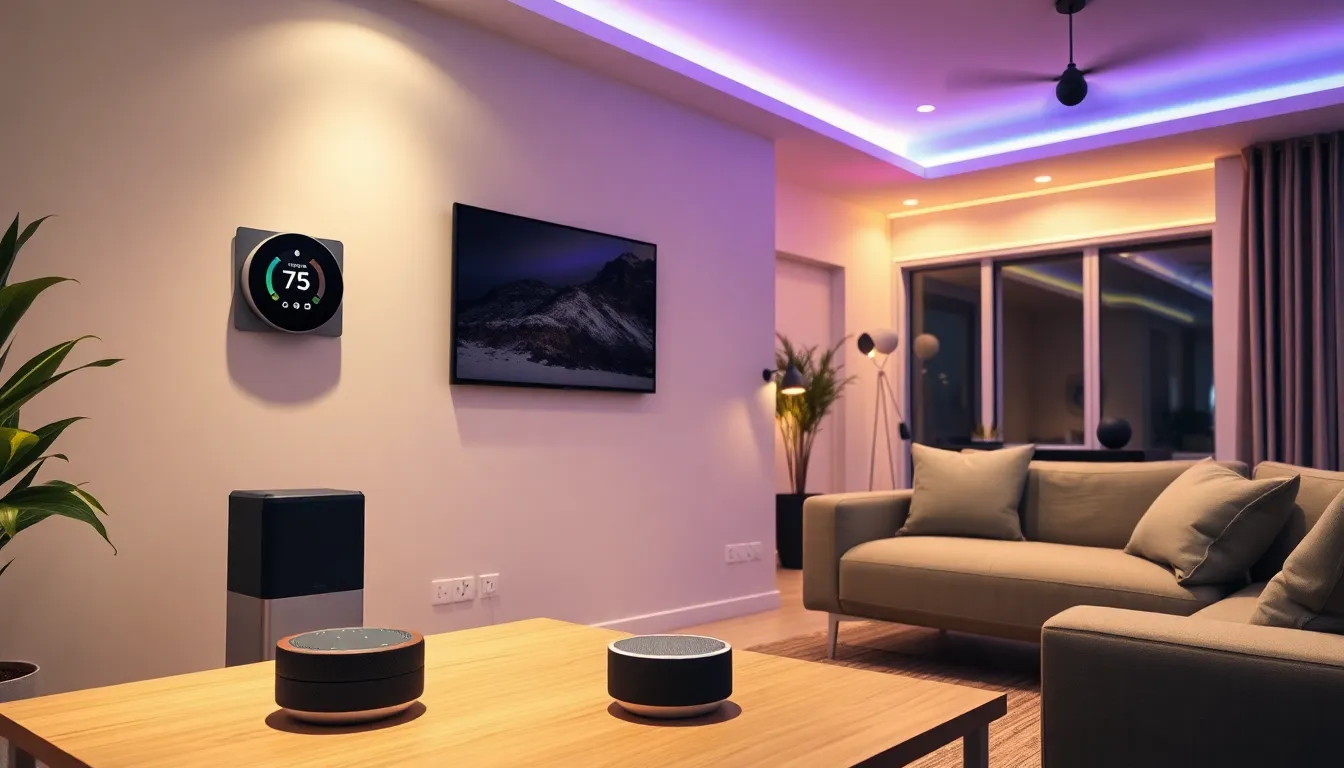
Smart devices come in various forms, each designed to enhance convenience and efficiency in everyday life. Key categories include smart home devices, wearable technologies, and smart appliances.
Smart Home Devices
Smart home devices enable seamless control of household functions. Examples include smart thermostats that learn user preferences, allowing energy-efficient adjustments. Smart speakers facilitate voice-activated commands for music playback and home automation. Security cameras monitor real-time footage, enhancing safety and providing peace of mind. Furthermore, smart lighting systems offer customizable ambiance and energy savings by scheduling and controlling lights remotely.
Wearable Technologies
Wearable technologies track health and fitness metrics in real-time. Fitness trackers monitor activity levels, heart rate, and sleep patterns, providing insights for healthier living. Smartwatches allow users to receive notifications, manage calls, and even track workouts without needing to reach for their phones. Some wearable devices also offer advanced features like ECG monitoring and blood oxygen level tracking, thus enhancing personal health management.
Smart Appliances
Smart appliances simplify daily tasks while maximizing efficiency. Smart fridges help manage grocery inventories, offering alerts on expiration dates and shopping lists. Smart ovens allow remote cooking control, enabling meal preparation from anywhere. Washing machines with smart capabilities provide scheduling options and notify users when cycles finish. These appliances contribute to energy savings and a more organized household, making routines easier to manage.
Benefits of Smart Devices
Smart devices offer numerous advantages that enhance daily living experiences.
Increased Convenience
Convenience tops the list of smart device benefits. They empower users to control home environments effortlessly. Smart thermostats adjust temperatures based on preferences, creating comfort without manual intervention. Voice assistants streamline tasks like music playback and information searches, allowing for hands-free operation. Remote access to home appliances enables users to manage their devices while away, whether preheating the oven or checking refrigerator contents. These devices reduce daily hassles, making routines more manageable for busy individuals.
Enhanced Security
Security enhancements represent another key benefit of smart devices. Smart cameras offer real-time monitoring, providing peace of mind for homeowners. They can send alerts to smartphones upon detecting unusual activity, enabling immediate responses. Additionally, smart locks simplify entry and exit, allowing for secure access without traditional keys. Integration with alarm systems ensures comprehensive protection against intruders. Collectively, these features foster a safer living environment, making smart devices indispensable for modern security solutions.
Challenges and Considerations
Smart devices bring several challenges alongside their benefits, particularly in privacy and compatibility. Users encounter various considerations that can affect their experience.
Privacy Concerns
Privacy issues arise from the extensive data collection these devices perform. Many smart gadgets track user behavior and gather personal information, which can lead to unauthorized access or data breaches. Regularly monitoring privacy settings helps safeguard sensitive information. Additionally, users should understand the implications of sharing data with third parties or service providers. Taking these precautions ensures personal data remains secure, even in a rapidly evolving technological landscape.
Compatibility Issues
Compatibility presents another challenge for users of smart devices. Different brands and technologies often lead to integration difficulties, causing frustration. Not all devices work seamlessly with each other, limiting the effectiveness of a smart ecosystem. Users must evaluate compatibility before purchasing new devices, ensuring they align with existing systems. Researching product specifications and seeking out compatible devices provides a smoother user experience, ultimately enhancing the functionality of smart technology in their homes.
Future Trends in Smart Devices
Innovations in smart devices continue to shape various industries and daily routines. Artificial intelligence plays a significant role in the advancement of these technologies. Smart devices are expected to become more intuitive, personalizing user experiences and learning preferences over time.
Data from market analysis indicates that smart home device revenue could exceed $174 billion by 2025, showcasing the increasing adoption of interconnected technologies. Enhanced voice recognition is likely to emerge, allowing devices to understand and respond to complex commands. Devices may also become capable of integrating seamlessly with diverse platforms, addressing the current compatibility challenges users face.
Sustainability trends may drive the development of energy-efficient smart devices. Smart thermostats, for instance, can adapt based on user behavior, optimizing energy consumption and reducing costs. Beyond energy savings, smart appliances are predicted to incorporate eco-friendly materials and processes.
Health technology integration remains a focal point for wearables and smart devices. Emerging trends may include advanced health monitoring capabilities in wearables, allowing for real-time data tracking and remote patient management. Users might experience personal health advancements through seamless device connectivity.
Furthermore, privacy and security measures are likely to evolve alongside technological advancements. Enhanced encryption protocols could be integrated to safeguard personal information against potential breaches. Consumers may prioritize devices from brands that demonstrate a commitment to transparent data practices.
Industry experts anticipate the introduction of more user-centric features, including automation and smart home ecosystems. Smart lighting and security systems are expected to work harmoniously, improving convenience and safety. As these trends continue, the future of smart devices will focus on enhancing daily living through innovation and connectivity.
Smart devices are revolutionizing daily life by enhancing convenience and security. As technology continues to evolve users can expect even greater integration and personalization in their smart ecosystems. The potential for energy savings and improved health management further underscores their value in modern living.
However it’s crucial for users to remain vigilant about privacy and compatibility issues. By understanding the responsibilities that come with these innovations individuals can fully embrace the benefits while safeguarding their personal information. With ongoing advancements in artificial intelligence and sustainability smart devices are set to play an even more significant role in shaping the future of how people live and interact with their environments.