
Imagine a world where your office janitor is an AI that never takes a coffee break or complains about the smell of last week’s leftover tuna. Enter Janitor AI, the quirky yet efficient cleaning companion that’s transforming the way we think about cleanliness. This digital custodian doesn’t just sweep the floors; it analyzes dirt patterns and optimizes cleaning schedules, all while sporting a virtual mop and a cheeky sense of humor.
Overview of Janitor AI
Janitor AI represents a significant advancement in cleaning technology. This innovative tool functions as a digital custodian, tirelessly maintaining office cleanliness. By operating continuously, it eliminates the need for breaks associated with traditional janitors.
Efficiency defines Janitor AI’s cleaning capabilities. It goes beyond basic tasks and implements advanced data analytics. Observing dirt patterns allows it to create optimized cleaning schedules tailored to specific needs. Such features result in improved cleanliness and resource management.
A lighthearted demeanor characterizes Janitor AI, making it a pleasant presence in the workspace. Engaging with employees, it lightens the atmosphere while performing its duties. Such interaction fosters a positive environment and enhances workplace morale.
Functionality emphasizes Janitor AI’s versatility. Cleaning floors, dusting surfaces, and even taking out the trash are just a few of its capabilities. This comprehensive approach allows it to adapt to various cleaning challenges effectively.
Cost savings emerge as another advantage of utilizing Janitor AI. Reduced labor costs and minimized cleaning supplies contribute to overall budget efficiency. Ensuring a clean office environment enhances employee productivity and satisfaction.
Janitor AI transforms the cleaning process in offices. With its relentless work ethic, data-driven strategies, and engaging personality, it redefines what it means to maintain cleanliness in the workplace. Its integration into daily operations promises significant improvements in both efficiency and employee experience.
Features of Janitor AI
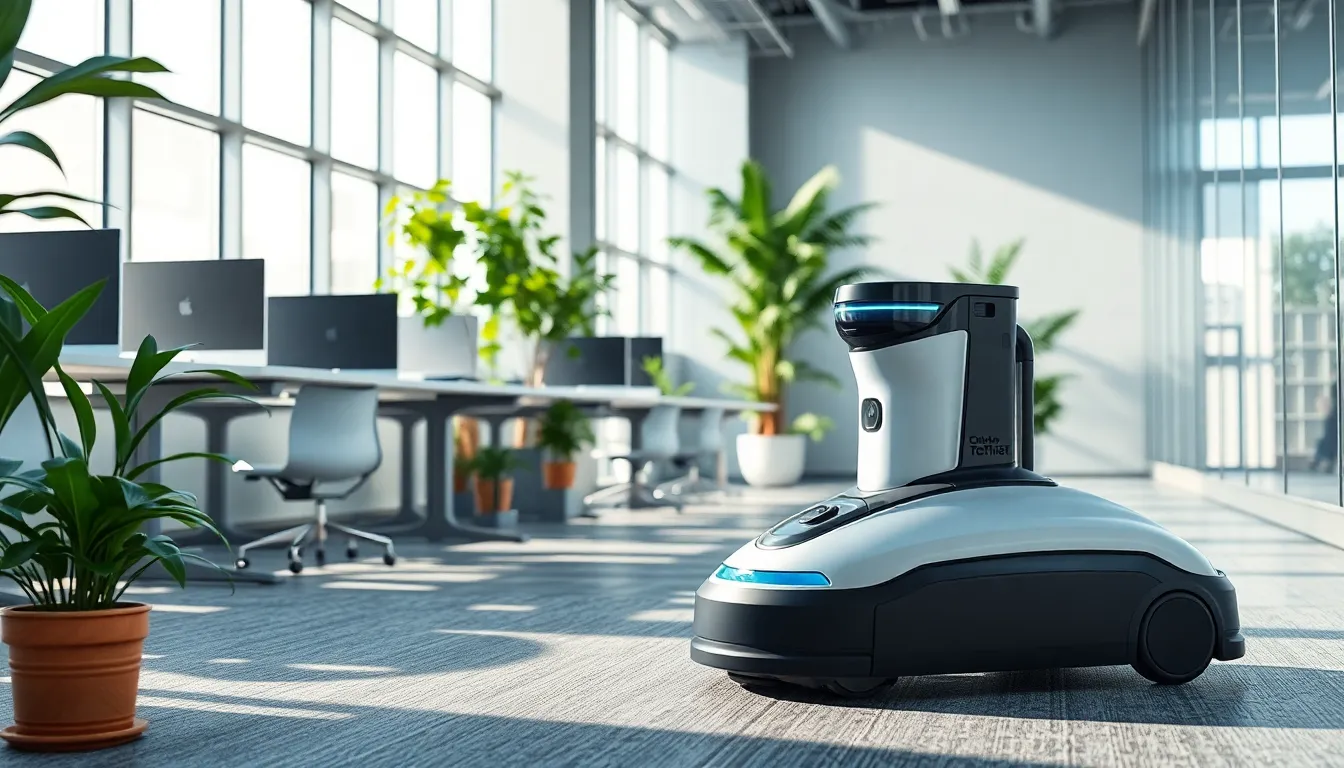
Janitor AI offers a range of features designed to enhance office cleaning efficiency and user experience.
Automation Capabilities
Automation stands out as a core strength of Janitor AI. It operates continuously, eliminating the need for human monitors. Routine cleaning tasks are completed without interruptions, providing consistent cleanliness. Advanced algorithms analyze dirt patterns to determine the most effective cleaning methods. Scheduling adjusts based on real-time data, optimizing resource allocation. As a result, Janitor AI reduces operational costs while ensuring high standards of hygiene.
User Interface
User interface design prioritizes simplicity and accessibility in Janitor AI. Navigation remains intuitive, allowing users to customize settings effortlessly. Visual indicators communicate system status clearly. Users can easily adjust cleaning schedules and preferences through an engaging dashboard. Feedback mechanisms encourage user interaction and promote satisfaction. A highlight includes the AI’s lighthearted tone, which adds a friendly touch to the interface.
Integration with Other Tools
Janitor AI integrates seamlessly with various software tools. Compatibility with existing management systems streamlines maintenance and operational tasks. Integration enhances data collection for analyzing cleaning efficiencies. Users can connect Janitor AI to scheduling software for better coordination with daily office activities. Collaboration with other technologies maximizes functionality while ensuring comprehensive workplace cleanliness. Janitor AI’s adaptability makes it a valuable asset in modern office settings.
Benefits of Using Janitor AI
Janitor AI offers numerous advantages that transform cleaning processes in offices. Its capabilities boost efficiency and enhance productivity.
Time Savings
Time savings stand out as one of the principal benefits of Janitor AI. Continuous operation eliminates downtime associated with traditional cleaning schedules. Monitoring dirt patterns in real time enables it to optimize cleaning tasks promptly. By adjusting schedules based on when areas need attention, the AI keeps the environment pristine at all times. Employees can focus on their work without interruptions, contributing to a more productive atmosphere.
Cost Efficiency
Cost efficiency plays a crucial role in Janitor AI’s appeal. Reducing labor expenses through automation leads to significant savings. Fewer cleaning supplies are used thanks to its efficient resource management. Organizations find that daily operational costs drop while maintaining cleanliness standards. This budget-friendly approach helps companies allocate funds to other essential areas, enhancing overall operational success.
Improved Accuracy
Improved accuracy in cleaning tasks is another key advantage of Janitor AI. Unlike human janitors, the AI consistently performs tasks without variance in quality. Its ability to analyze patterns ensures that dirt and debris are addressed appropriately. Targeted cleaning reduces the likelihood of overlooking areas, resulting in a consistently clean environment. By using data-driven decisions, Janitor AI enhances workplace hygiene and safety, fostering a healthier office space.
Limitations of Janitor AI
Janitor AI presents unique advantages but also faces certain limitations. Recognizing these challenges can guide users in managing expectations effectively.
Potential Drawbacks
Time sensitivity remains a significant concern. Janitor AI might miss real-time incidents requiring immediate attention. Reliability may fluctuate in different environments, affecting performance on varied surfaces. Integration with existing systems could pose technical challenges, hindering seamless operation. Dependence on algorithms raises questions about adaptability to unpredictable scenarios. User interpretation of responses can also lead to misunderstandings in communication.
Areas for Improvement
Enhancing decision-making algorithms stands as a primary area for development. Improving the AI’s ability to assess complex cleaning situations could better respond to unique environments. Increasing the breadth of cleaning interactions may enhance user engagement and experience. Training the AI to recognize more types of debris and contaminants offers the potential for higher efficiency. Lastly, refining communication interfaces would streamline user interactions, providing clearer insights into the cleaning process.
Janitor AI stands at the forefront of cleaning technology, reshaping how offices maintain cleanliness. Its ability to operate continuously and adapt to various environments makes it a valuable asset for any workplace. By combining efficiency with an engaging personality, it not only enhances the cleaning process but also boosts employee morale.
While challenges remain in terms of real-time responsiveness and adaptability, ongoing improvements promise to address these limitations. As organizations increasingly embrace automation, Janitor AI’s role in promoting a cleaner and healthier work environment will only grow. The future of office cleaning looks bright with this innovative solution leading the way.