
In a world where multitasking is the name of the game, virtual assistant devices have become the unsung heroes of modern life. Whether it’s setting reminders, playing your favorite tunes, or answering questions you never thought you’d ask out loud, these gadgets are here to make life smoother than your morning coffee. Imagine having a personal assistant who never takes a lunch break or judges your 3 a.m. snack choices!
Overview of Virtual Assistant Devices
Virtual assistant devices serve as key components in modern households. These gadgets integrate voice recognition technology and artificial intelligence, enabling seamless interaction with users. They allow individuals to manage smart home devices, control entertainment systems, and access information quickly.
Many popular devices exist in the market. Amazon Echo features Alexa, which excels in providing weather updates and managing tasks. Google Nest Hub incorporates Google Assistant, offering robust search capabilities and integration with various applications.
User-friendly interfaces characterize these devices. Natural language processing allows them to understand and process voice commands effectively. As a result, users find it simpler to execute commands without needing specific phrases. Furthermore, multi-users functionality supports personalized experiences across different household members.
Security plays a significant role in these devices. Manufacturers implement encryption protocols to protect user data and privacy. Regular updates ensure devices remain secure against potential vulnerabilities.
A range of functionalities exists among various models. Some devices focus on home automation, while others emphasize entertainment. Choosing the right device depends on individual requirements and lifestyle preferences.
Customization options enhance the experience. Many devices support integration with third-party applications, providing functionality tailored to specific needs. Users can expand their device’s capabilities through skills or settings, improving usability.
Virtual assistant devices continue to evolve. Innovations in machine learning and artificial intelligence promise ongoing improvements. These advancements ensure devices become increasingly efficient, effective, and integral to everyday life.
Key Features to Consider
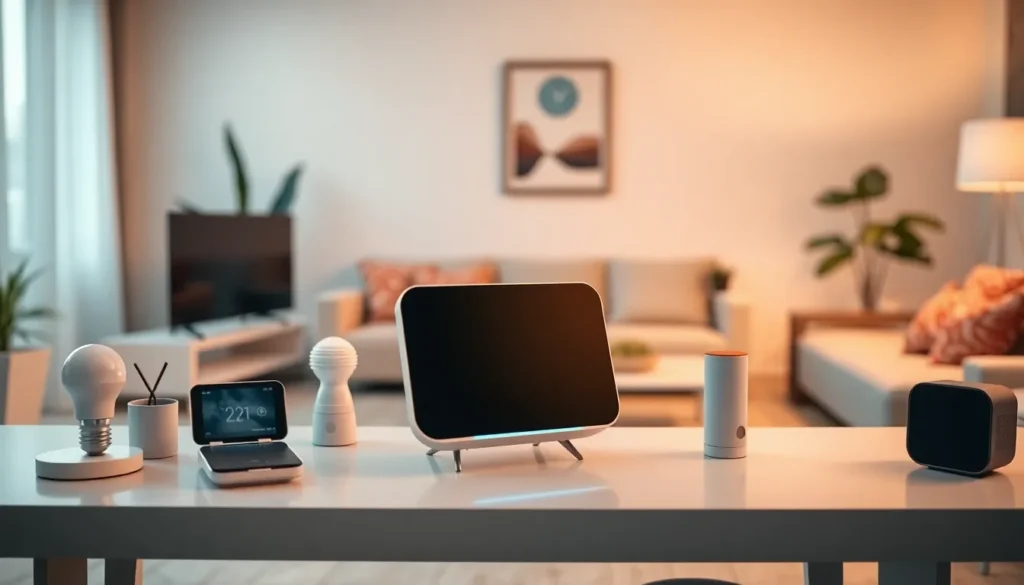
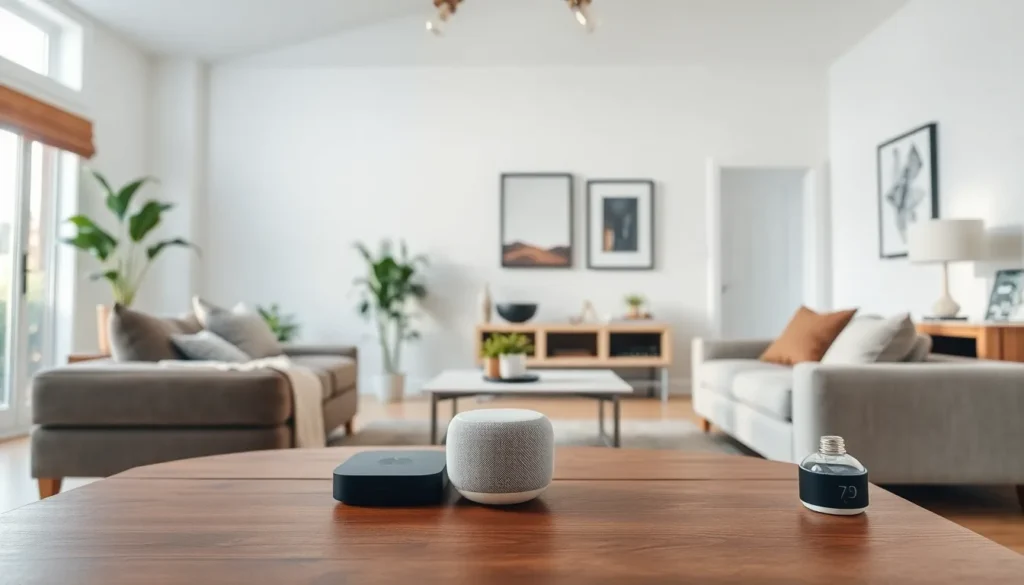
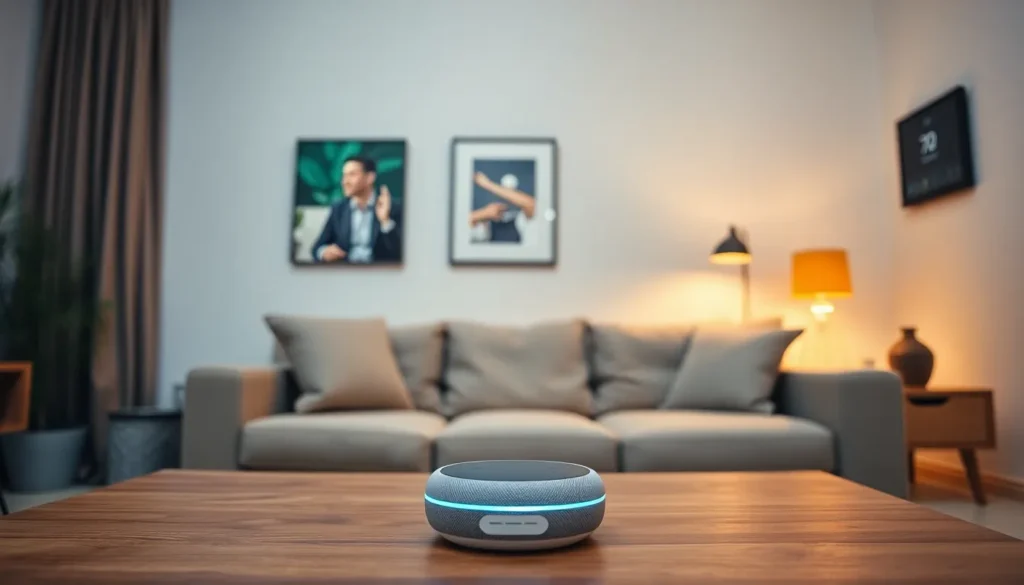
Examining key features enhances the selection process for virtual assistant devices. Focus on these aspects to discover the ideal model that suits specific needs.
Voice Recognition Technology
Voice recognition technology stands as a core feature in virtual assistant devices. It enables seamless interaction through natural language processing. Advanced models often include noise-cancellation features that enhance accuracy, even in noisy environments. The capability to understand different accents and dialects also exists in top-tier devices, ensuring broad accessibility. This technology continuously improves, allowing devices to learn from user interactions and adapt to preferences over time.
Compatibility with Smart Home Devices
Compatibility with smart home devices plays a critical role in functionality. Virtual assistants frequently connect to various smart devices such as light bulbs, thermostats, and security cameras. Popular ecosystems, like Amazon Alexa and Google Assistant, offer robust compatibility, supporting numerous third-party gadgets. Users can centralize control through simple voice commands, enhancing efficiency and convenience. The ability to set routines for multiple devices increases automation and simplifies daily tasks.
Customization and Personalization Options
Customization and personalization options enhance user experience significantly. Many virtual assistant devices allow users to set preferences and tailor functionalities to fit individual lifestyles. Users can create custom voice commands, adjust settings, and choose preferred news sources or music playlists. Some models even provide personalized reminders based on user behavior and schedules. Such flexibility ensures that each user interacts with their device in a meaningful way, making it feel like a true personal assistant.
Top Virtual Assistant Devices
Virtual assistant devices enhance everyday living, connecting users with technology effortlessly. Here are three leading options.
Device 1: Amazon Echo
Amazon Echo tops the market with its integration of Alexa, Amazon’s voice-controlled assistant. Users enjoy high-quality sound output, perfect for music playback and calls. Smart home integration remains a strong suit, controlling compatible devices like lights and thermostats. Personalization features allow users to create routines, making task management more efficient. Regular software updates enhance Alexa’s capabilities, keeping the device relevant. Price points cater to various budgets, from the standard Echo to the Echo Show with a screen.
Device 2: Google Nest Hub
Google Nest Hub offers a sleek interface with built-in Google Assistant for voice commands. It excels in visual responses, displaying information on a vibrant touchscreen. Users ask questions, manage calendars, or view recipes with ease. Smart home management features enable control of devices from different manufacturers. Entertainment access provides seamless integration with streaming services like YouTube and Spotify. The affordability aligns well with its functionality, appealing to those integrating Google’s ecosystem into their homes.
Device 3: Apple HomePod
Apple HomePod delivers superior sound quality and deep integration with Apple services. Siri acts as the voice assistant, facilitating music selection and smart home controls. Privacy features remain a priority, with on-device processing improving security. Users enjoy personalized music recommendations based on listening habits. HomeKit compatibility enhances control of smart home devices, allowing for central management. Price reflects premium quality, positioning it as a high-end choice in the smart speaker market.
User Experience and Performance
User experience significantly influences the effectiveness of virtual assistant devices. Amazon Echo users often appreciate its excellent sound quality and smart home integration. Google Nest Hub stands out with its sleek design and visual feedback, enhancing interaction. Apple HomePod impresses with superior audio fidelity and seamless Apple service integration. Each device offers unique features tailored to diverse user needs.
Voice recognition technology plays a crucial role in performance. Natural language processing adapts to user preferences over time, enhancing accuracy. The ability to recognize commands in noisy environments has improved across models, making them effective in various settings. Regular software updates further refine performance, ensuring devices stay current with advancements in AI.
Customization options enhance individual experiences. Users might adjust settings for personalized responses and tailored functionalities. Smart home compatibility simplifies control over connected devices, streamlining users’ daily routines. Centralized management of home automation adds convenience, allowing users to set schedules and control multiple devices effortlessly.
Security and privacy remain paramount for users concerned about data safety. Manufacturers implement robust encryption protocols, offering peace of mind regarding personal information. Regular system updates address potential vulnerabilities, enhancing user confidence in device security.
Performance metrics provide insight into device efficiency. This includes response time, accuracy in understanding voice commands, and versatility with various tasks. Users often express satisfaction when devices swiftly execute commands, contributing to an overall positive experience. Virtual assistant devices continuously evolve, integrating the latest in machine learning and AI for improved functionality.
Virtual assistant devices have become essential tools in managing daily life efficiently. Their ability to integrate with smart home technology and adapt to user preferences makes them invaluable companions. As advancements in artificial intelligence continue, these devices will only grow more capable and intuitive.
Choosing the right virtual assistant depends on individual needs and preferences. With options like the Amazon Echo, Google Nest Hub, and Apple HomePod, users can find a device that fits seamlessly into their lifestyle. Prioritizing features such as voice recognition, sound quality, and security will enhance the overall experience.
Embracing these innovations not only simplifies tasks but also transforms how individuals interact with technology, paving the way for a smarter and more connected future.