In a world where creativity knows no bounds, AI image generators are shaking things up faster than a caffeinated squirrel on a sugar rush. These digital wizards take mere words and transform them into stunning visuals, making anyone feel like a Picasso with a keyboard. Whether it’s conjuring up a serene sunset over a futuristic city or crafting a cat in a spacesuit, the possibilities are as endless as a toddler’s energy.
Overview of AI Image Generators
AI image generators represent a significant advancement in creative technology. These tools transform written prompts into stunning visuals, pushing the boundaries of imagination.
What Is an AI Image Generator?
An AI image generator is software that creates images from textual descriptions. These platforms utilize deep learning and neural networks to produce art that matches the input, producing diverse styles and subjects. Users can input detailed prompts, and the generator interprets these details to create unique images. Various generators exist, each offering unique features and capabilities to suit different artistic needs.
How Does It Work?
AI image generators operate by analyzing text and interpreting it through complex algorithms. Initially, they tokenize the input text, breaking down words and phrases into machine-readable formats. After this, neural networks generate visuals by referencing vast amounts of training data. These networks learn patterns and styles from existing images, allowing them to create new scenes that visually represent the input. Users adjust parameters to refine the output, producing images that meet their specific requirements.
Popular AI Image Generators
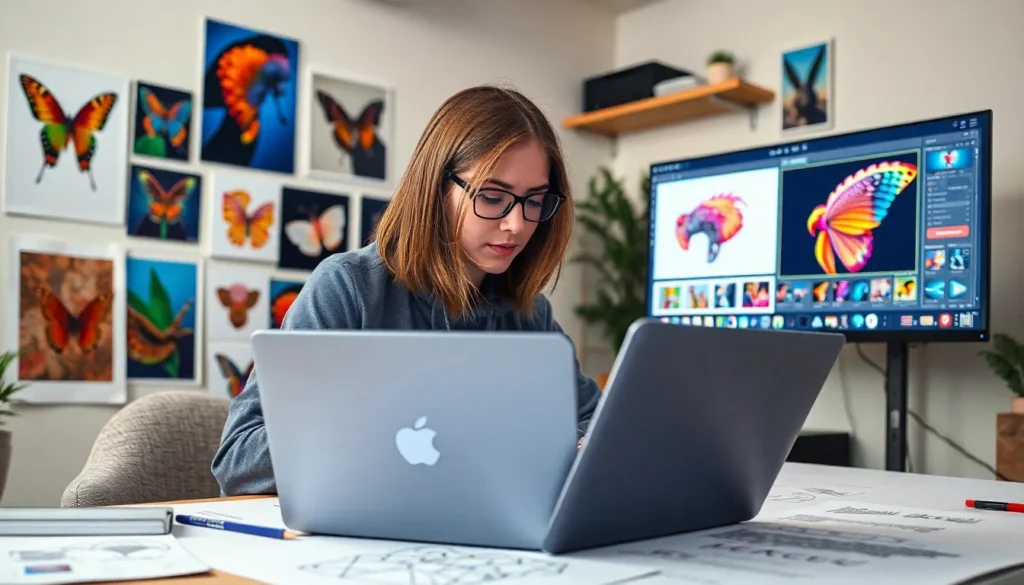
AI image generators play a crucial role in the creative landscape, allowing users to produce stunning visuals effortlessly. Various platforms stand out in this growing field.
DeepAI
DeepAI provides a user-friendly interface for generating images from simple text prompts. It offers various styles, catering to diverse artistic preferences. Users customize outputs, adjusting settings like resolution and detailing to enhance their creations. This tool is renowned for its ability to generate realistic graphics, making it suitable for both casual users and professional artists. The accessibility of DeepAI encourages experimentation, enabling users to explore their creative potential without extensive technical expertise.
DALL-E
DALL-E, developed by OpenAI, excels at creating imaginative and detailed images from textual descriptions. This generator processes phrases with remarkable accuracy, translating ideas into visual representations. DALL-E’s strength lies in its ability to generate unique and surreal art styles, often combining disparate elements seamlessly. Users appreciate its versatility, whether for marketing visuals or artistic inspiration. The platform’s innovative approach has significantly influenced the creative tech ecosystem, showcasing the potential of AI in art.
Midjourney
Midjourney focuses on providing enhanced artistic experiences through its image generation capabilities. Artists and designers frequently use this platform for its distinctive style options and high-quality outputs. The community surrounding Midjourney is vibrant, fostering collaboration and sharing among users. Various features allow individuals to tweak designs, ensuring artworks meet specific visions. Midjourney’s commitment to creativity and collaboration elevates its role in the AI image generation landscape, making it a favorite among creators seeking innovative solutions.
Applications of AI Image Generators
AI image generators find diverse applications across several fields, enhancing creativity and productivity. Their impact is particularly evident in art and design, as well as marketing and advertising.
In Art and Design
AI image generators significantly influence art and design realms. Artists leverage these tools to create unique visuals quickly. They produce work ranging from abstract paintings to realistic portraits, transforming visions into tangible art. Designers incorporate AI-generated images into projects, enhancing branding and presentations. These generators foster experimentation by offering various styles, allowing creators to refine their artistic identity. Examples like DALL-E have empowered artists to explore uncharted territories in their crafts. Accessibility encourages collaboration, sparking a community of creative individuals who share ideas and feedback, thus pushing the boundaries of conventional art.
In Marketing and Advertising
In marketing and advertising, AI image generators streamline the content creation process. Marketers utilize these tools to generate eye-catching visuals for campaigns. They enhance engagement by creating tailored images that resonate with target audiences. Brands can quickly produce diverse ad creatives, maintaining consistent messaging across platforms. AI-generated visuals help companies stand out in saturated markets. These images save time and resources, allowing marketers to focus on strategy and analysis. As AI technology evolves, it continues to reshape visual communication, creating new opportunities for impactful advertising.
Limitations and Challenges
AI image generators face several limitations and challenges that affect their effectiveness and acceptance in various fields.
Quality of Generated Images
The quality of images produced by AI generators may vary significantly. Some generators create impressive visuals, while others may produce outputs that lack detail or realism. Variability in image quality often stems from the algorithms used and the training data available. Users frequently notice artifacts or inconsistencies in images, particularly when complex scenes or intricate details are involved. As AI technology evolves, enhancements in the underlying models will likely improve output quality, but discrepancies remain a concern for artists and designers aiming for precision.
Ethical Considerations
Ethical considerations play a crucial role in discussions about AI image generators. These tools raise questions about copyright, originality, and ownership of generated content. Users may create images based on existing artwork, which complicates rights issues. Additionally, the potential for misuse exists, as individuals might generate harmful or misleading visuals. Regulations and guidelines surrounding AI-generated imagery are still in development, requiring industry stakeholders to address these concerns proactively. As generation capabilities expand, ethical challenges will continue to evolve, necessitating ongoing dialogue and revision of standards.
AI image generators are revolutionizing the way individuals approach creativity. By transforming text prompts into stunning visuals they empower users to explore their artistic potential without the barriers traditionally associated with art creation. The versatility of these tools is evident in their applications across various sectors from art and design to marketing and advertising.
While challenges such as image quality and ethical considerations persist the ongoing advancements in AI technology promise to enhance these tools further. As users continue to experiment and innovate with AI image generators the landscape of visual communication will undoubtedly evolve. Embracing these changes can lead to exciting new opportunities for creators everywhere.